Anti-Theft Bags
Crossbodies and backpacks with RFID pockets, slash-resistant panels and lockable zips for crowded places.
Ten bags built on our anti-theft design. Front and base panels are reinforced inside with UHMWPE to resist slashing, a dedicated pocket blocks RFID scanning, and the lining is a lighter recycled polyester with an anti-microbial coating so small items are easier to spot.
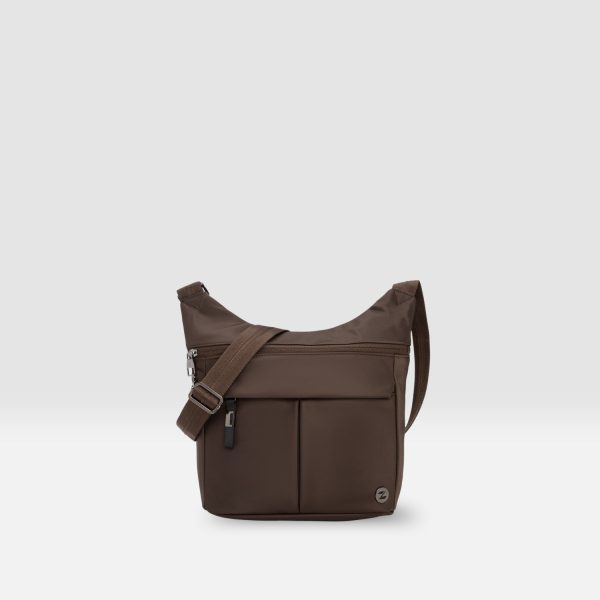
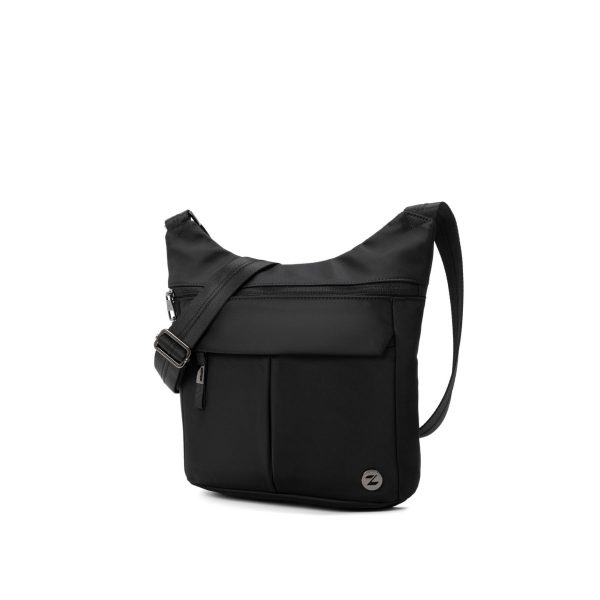
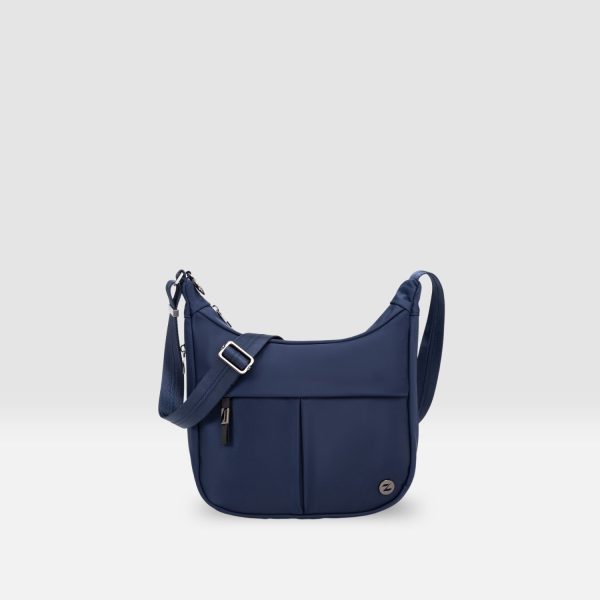
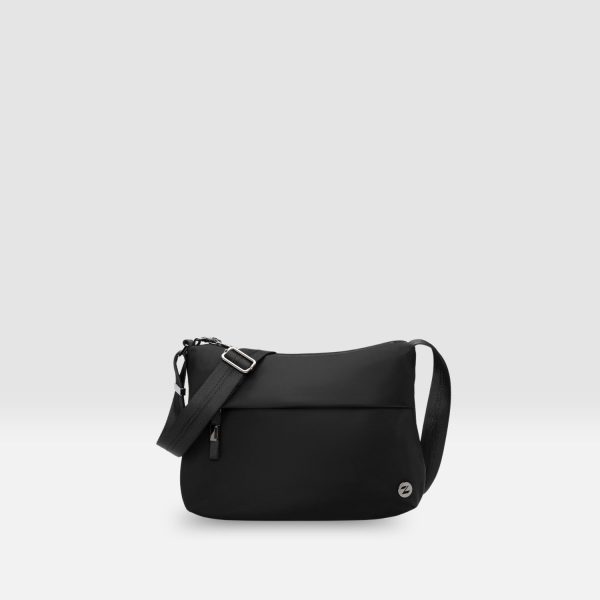
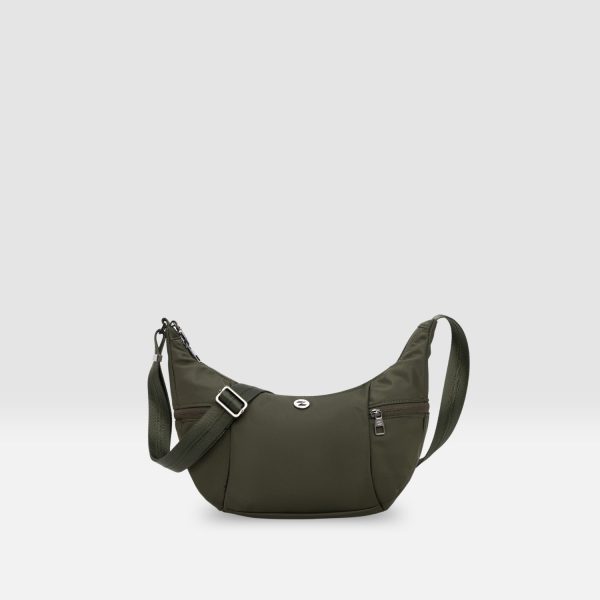
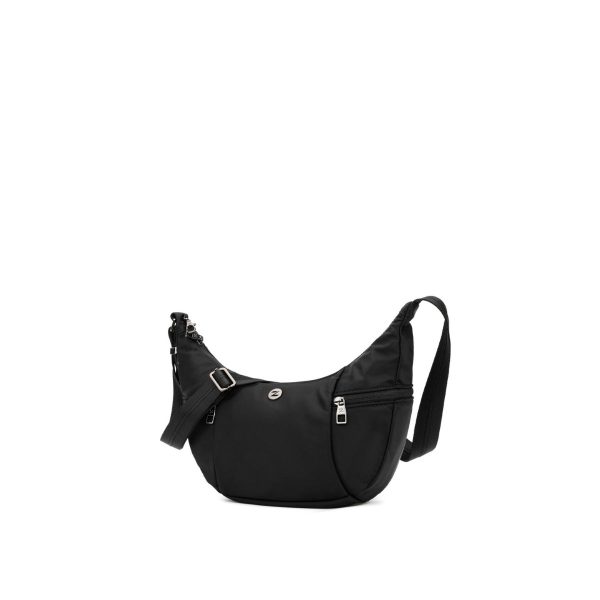
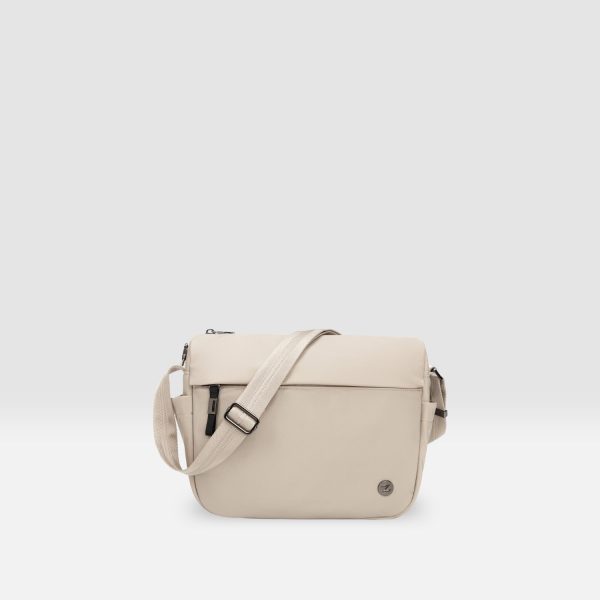
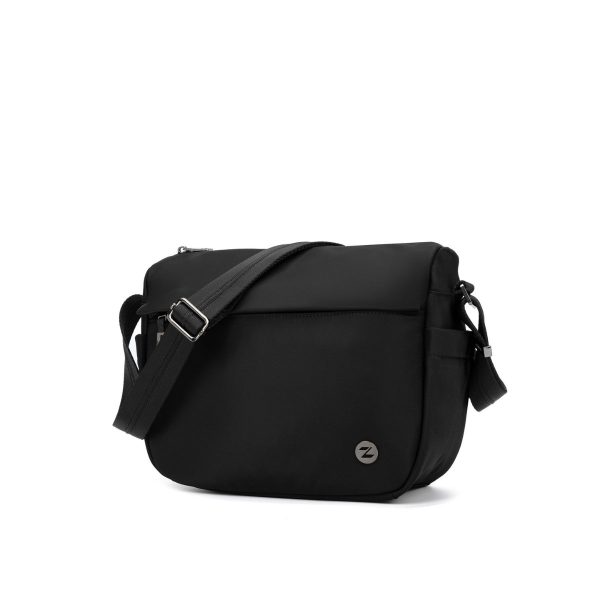
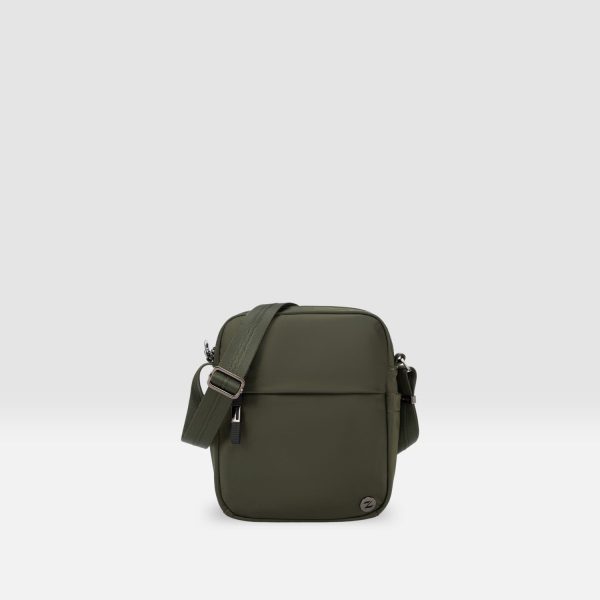
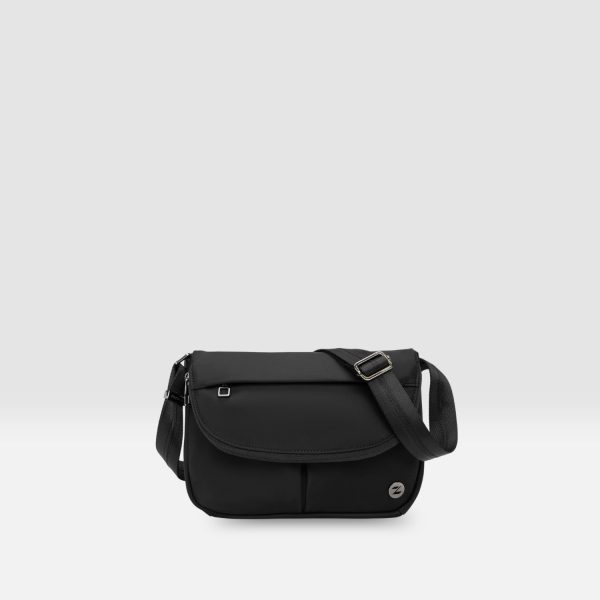
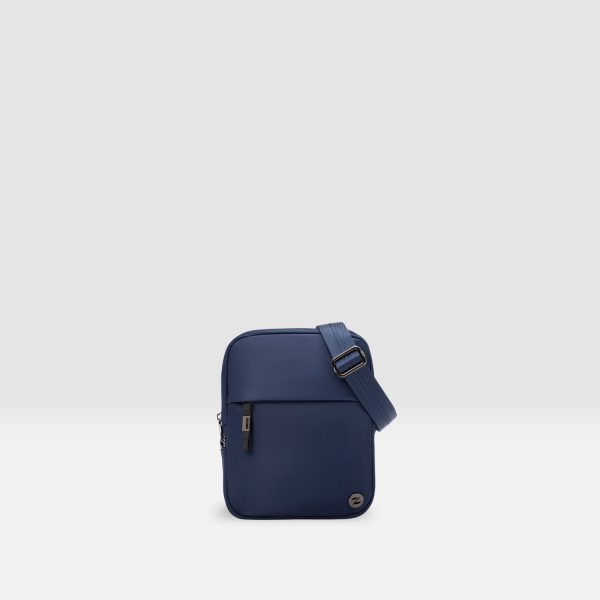
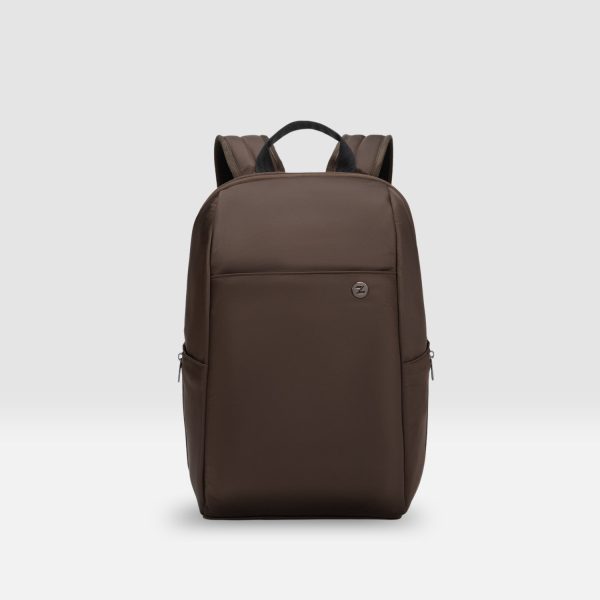
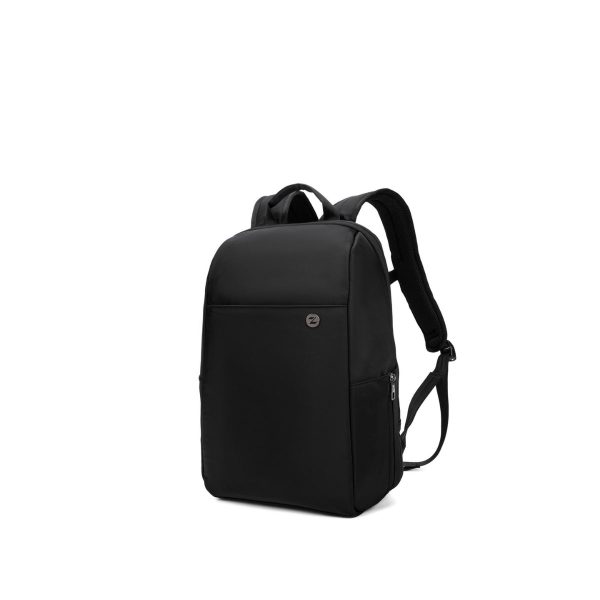
The eight crossbodies add a steel cable inside the strap. Soho and Camden are the slimmest, Luna opens through a two-step envelope flap, and Aspen Max has an expander zip. The Drift Daypack and Voyager Backpack carry a laptop in a lockable compartment, with a padded back and sternum strap for long days.







Questions
Frequently asked questions
Do anti-theft bags actually work?
They reduce opportunity rather than guarantee safety. Lockable zips stop a bag being opened quietly while you wear it, slash-resistant panels resist a blade drawn across the fabric, and RFID pockets shield contactless cards from close-range reading. None of them stops a determined thief or prevents a bag being taken whole. Treat them as one layer alongside how and where you carry the bag.
What does RFID blocking protect?
It shields contactless payment cards, passports and other chipped documents from being read at close range while they sit inside the pocket. It protects the data on the chip, not the card itself, and it only works while the item is inside the shielded pocket with it closed.
Which anti-theft bag is best for travelling in cities?
For carrying only the essentials, the Soho or Camden crossbodies are slim enough to wear under a jacket. For a day out with a jacket, water and a camera, the Drift Daypack at 0.78kg or the Voyager Backpack at 0.92kg make more sense. A crossbody worn in front of you is harder to open than a backpack worn behind you, whatever features either has.
What anti-theft features actually do
Three real mechanisms
Anti-theft is a category with a lot of marketing in it, so it is worth separating the features that do a specific job from the ones that sound good.
- Lockable zips stop a bag being opened silently while you are wearing it. This is the feature that matters most in a crowd.
- Slash-resistant panels resist a blade drawn across the body of the bag. They do not make a bag slash-proof, and they do nothing about a bag being taken whole.
- RFID-blocking pockets shield contactless cards and passports from being read at close range. This protects data, not the physical item.
None of these stops a determined thief, and no bag makes you safe. What they buy is time and noise, which is usually enough to make an opportunistic attempt not worth the trouble. Our anti-theft bags guide goes through each feature in detail.
The range, by size
- Small, for the essentials: Soho Crossbody (23 x 19 x 4cm, 0.35kg) and Camden Crossbody (24 x 32 x 3cm, 0.39kg), slim enough to sit under a jacket.
- Everyday crossbodies: Luna, Florence, Crescent and the Aspen Max, from 0.40kg to 0.49kg.
- Organiser and messenger: Aspen Crossbody Organiser and Logan Messenger for documents and a tablet.
- Backpacks: Drift Daypack (38 x 26 x 13cm, 0.78kg) and Voyager Backpack (44 x 29 x 15cm, 0.92kg).
How you wear it matters more than what you buy
A crossbody worn across the body with the bag in front of you is harder to open than the same bag worn on one shoulder behind your hip. On public transport and in crowds, bringing the bag round to the front costs nothing and removes most of the opportunity a bag's features are designed to resist.