Running Shoes
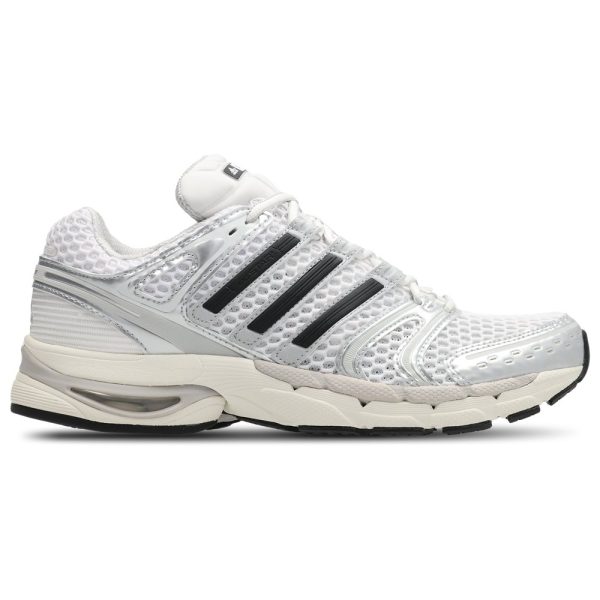
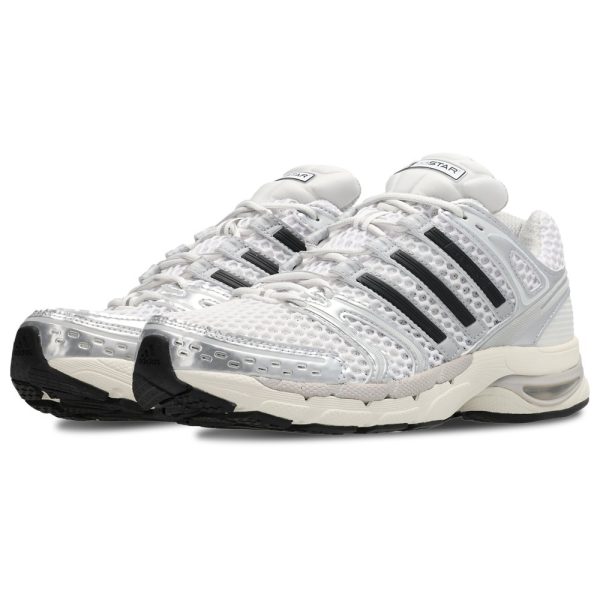
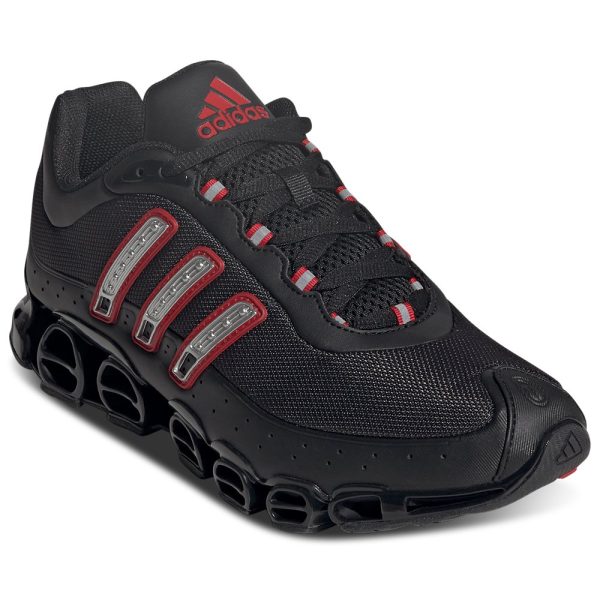
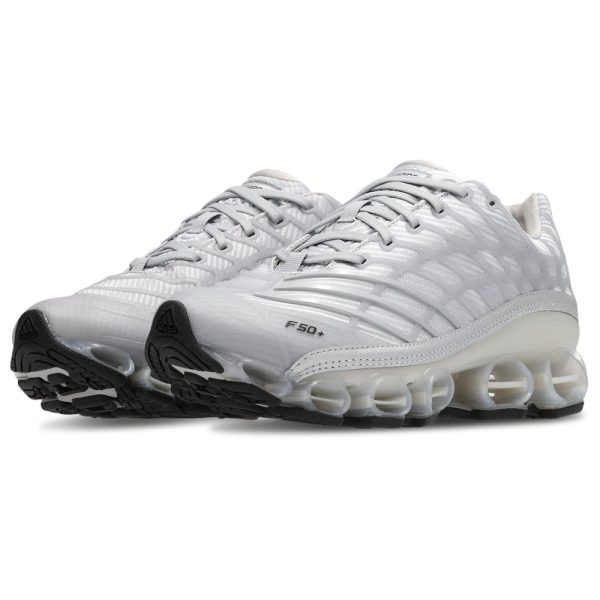
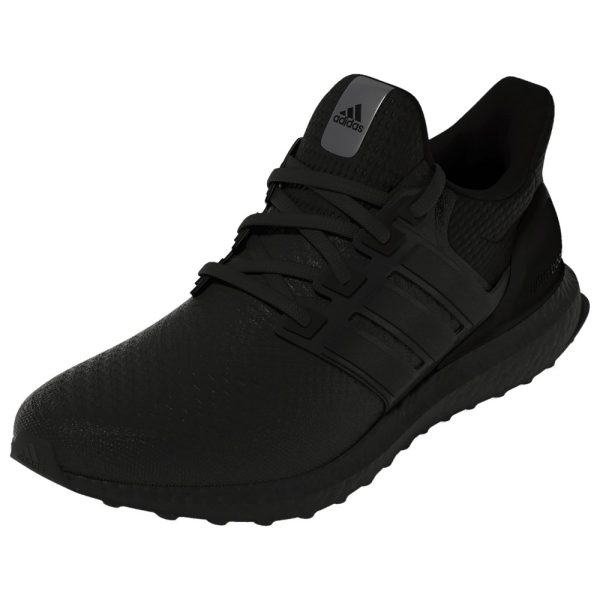
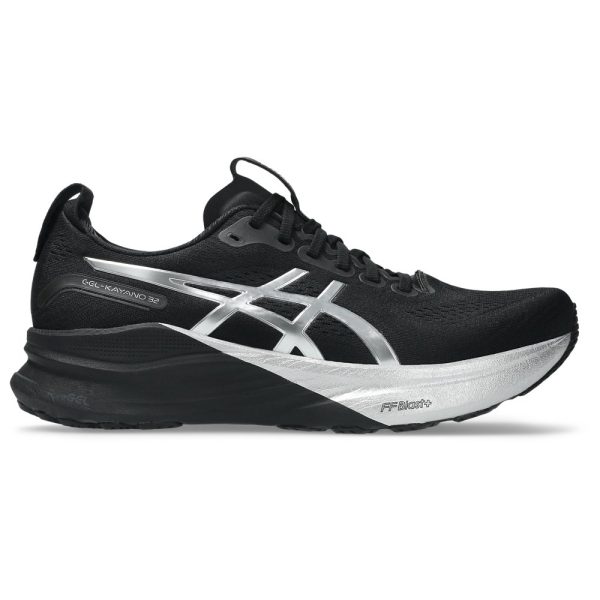
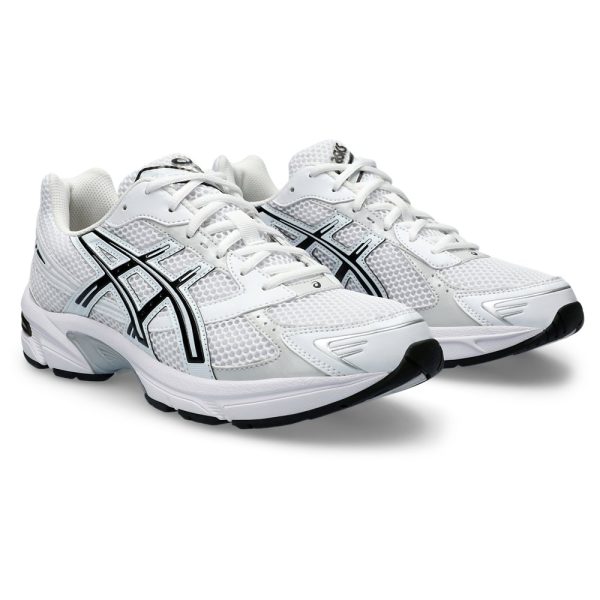
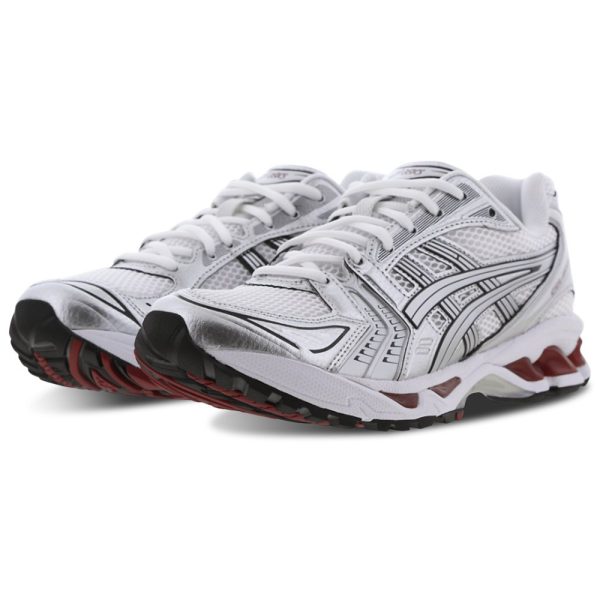
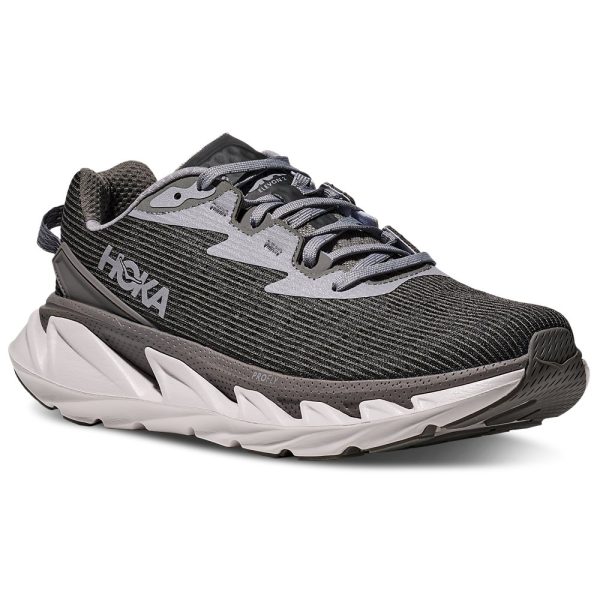
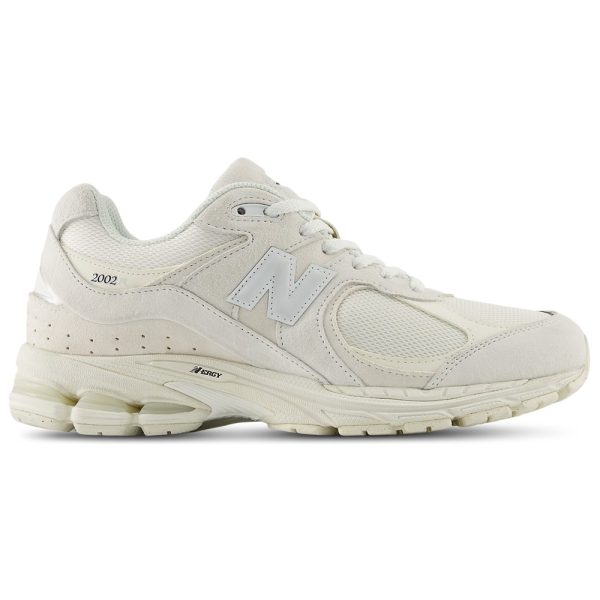
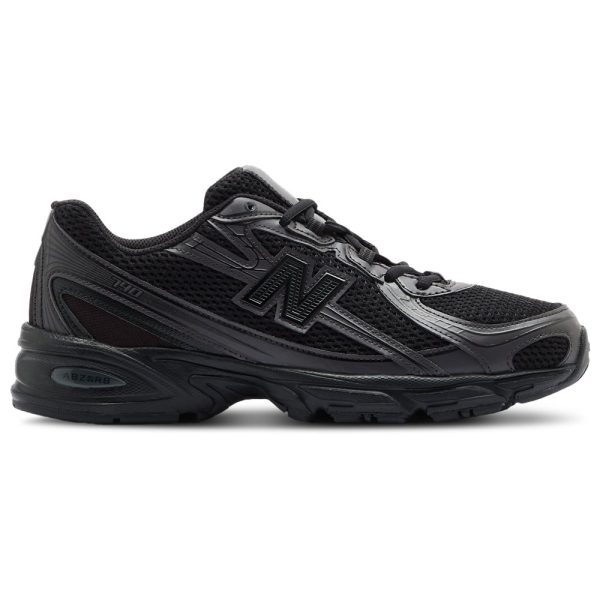
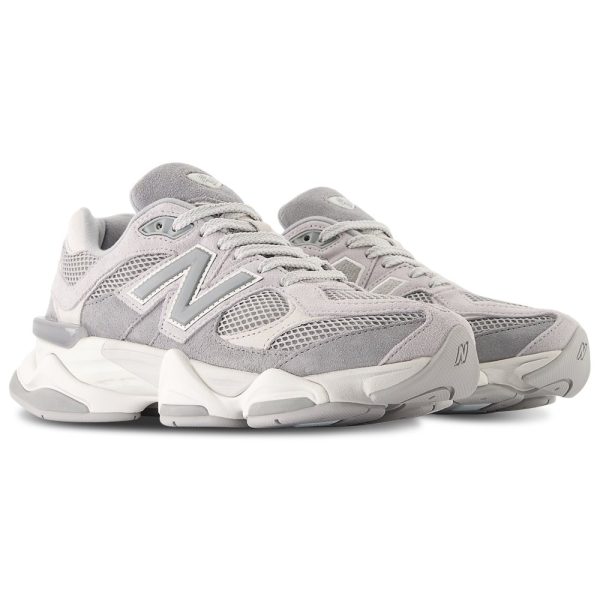
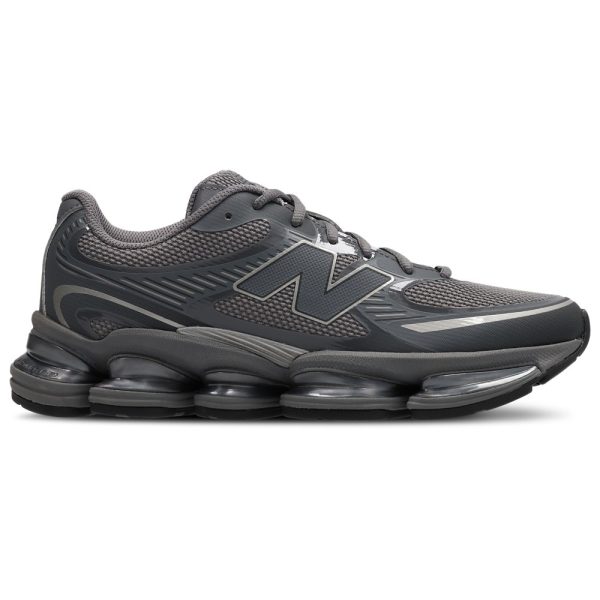
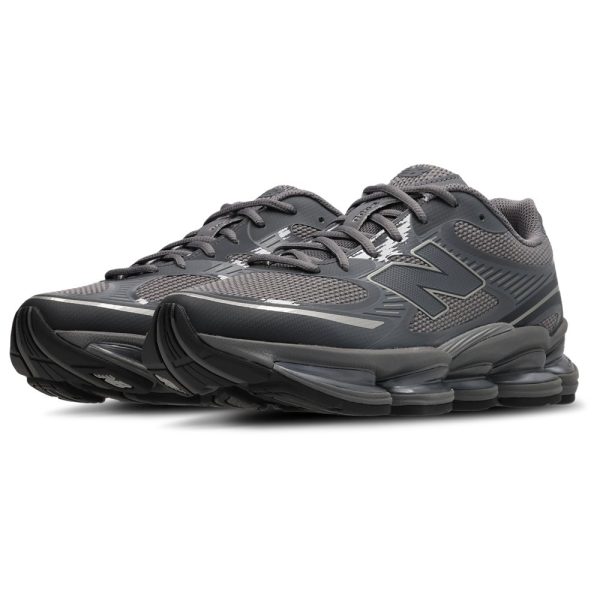
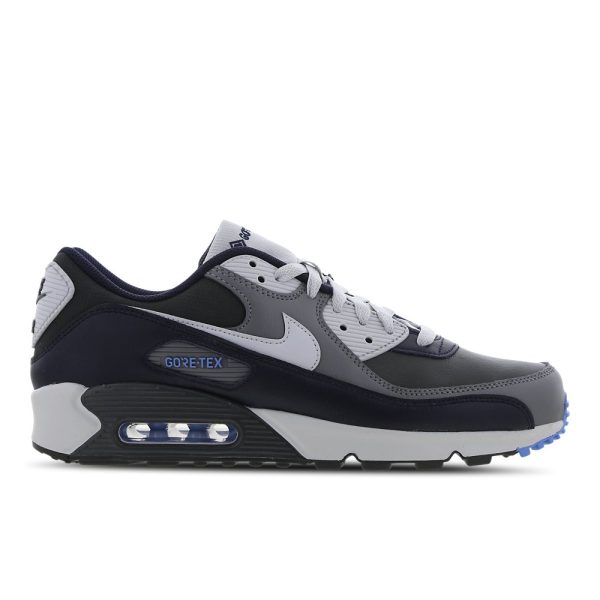
50 products from $50 to $320. Brands include Nike, Asics, New Balance.
Men's running shoes, priced from $50 to $320, 50 products in total. Brands here include Nike, Asics, New Balance. Every colour and size in stock is listed on the product page, with shoe sizes in US, EU and UK.

















Questions
Frequently asked questions
How should running shoes fit?
Leave about a thumb's width between your longest toe and the end of the shoe, and make sure the width is right before adjusting length. The heel should hold without slipping, and the upper should not bulge over the midsole. Try shoes later in the day, because feet swell and an afternoon fit is closer to how they will feel on a run.
Can I use running shoes for the gym?
For treadmill running and cardio, yes. For lifting, a soft high-stack running shoe is a poor base because the foam compresses unevenly under load. If most of your session involves weights, a flatter and firmer training shoe is more stable. If you split your time, many people keep a pair for each.
How often should running shoes be replaced?
Midsole cushioning degrades before the outsole looks worn, so appearance is a poor guide. The usual sign is that shoes which used to feel comfortable start leaving your legs sore. Rotating two pairs lets the foam recover between runs and generally extends the life of both.
Choosing men's running shoes
Start with the surface
Road and treadmill running rewards cushioning and a smooth heel-to-toe roll. Trail running rewards grip, a protective upper and a shoe that holds the foot steady on uneven ground. Gym and cross-training work wants a flatter, more stable base than a soft road shoe provides, because lifting on a thick cushioned midsole is unstable. Buying a road shoe for trails, or a max-cushion shoe for the gym, is the most common mismatch.
Cushioning is a preference, not a ranking
More foam is not automatically better. High-stack shoes soften impact over long distances and suit heavier runners and recovery days. Lower, firmer shoes give more ground feel and a more direct push-off, which many runners prefer for shorter and faster sessions. Neither is correct in the abstract; it depends on distance, weight and what your legs are used to.
Fit, in practical terms
- Leave a thumb's width between your longest toe and the end of the shoe. Feet lengthen under load, and a shoe that fits perfectly standing still will bruise toenails downhill.
- Try shoes late in the day. Feet swell over the course of a day and during exercise, so an afternoon fitting is closer to running conditions.
- Width matters as much as length. If the upper bulges over the midsole, the shoe is too narrow, and going up a length will not fix it.
- Sizing differs between brands. The US, UK and EU numbers shown on each product page come from the manufacturer, and the same nominal size can differ noticeably between them.
Replacing them
Midsole foam loses resilience with use, and it does so long before the outsole looks worn out. If shoes that used to feel fine start leaving you sore, the cushioning is usually the reason rather than your training. Rotating two pairs lets foam recover between runs and spreads the wear.
Gear & Gate is an independent retailer. The shoes here are designed and made by the brands whose names appear on them, and we are not an authorised stockist or agent for any of them.