Hard Shell Luggage
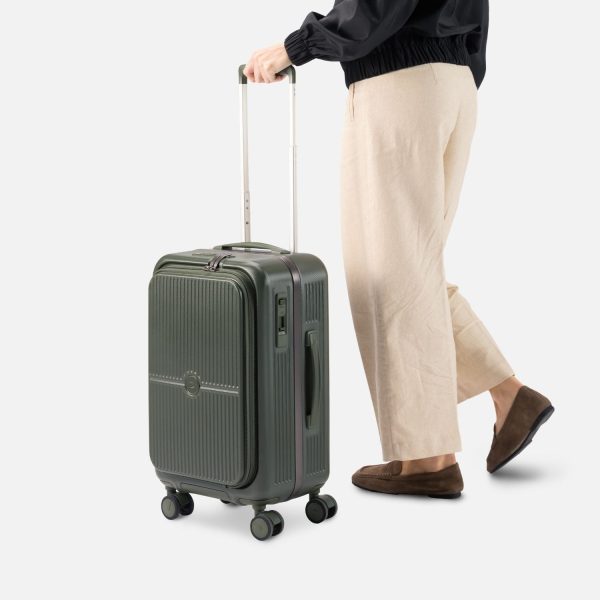
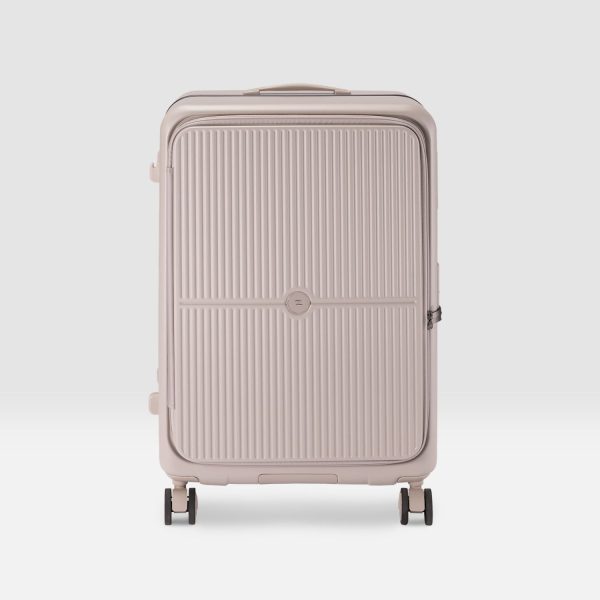
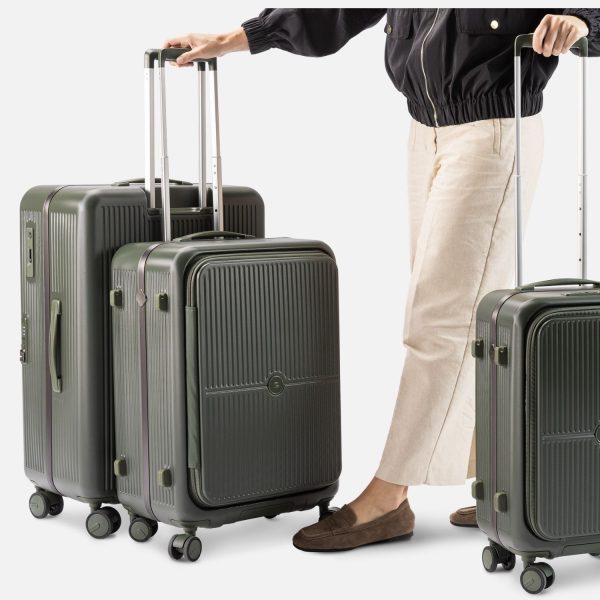
Seven Glide range hard-shell cases, each with Hinomoto spinner wheels and a flush-mounted TSA-approved lock.
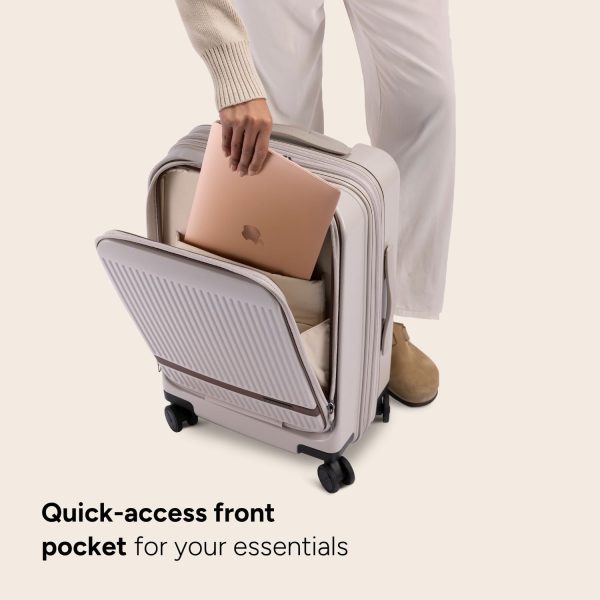
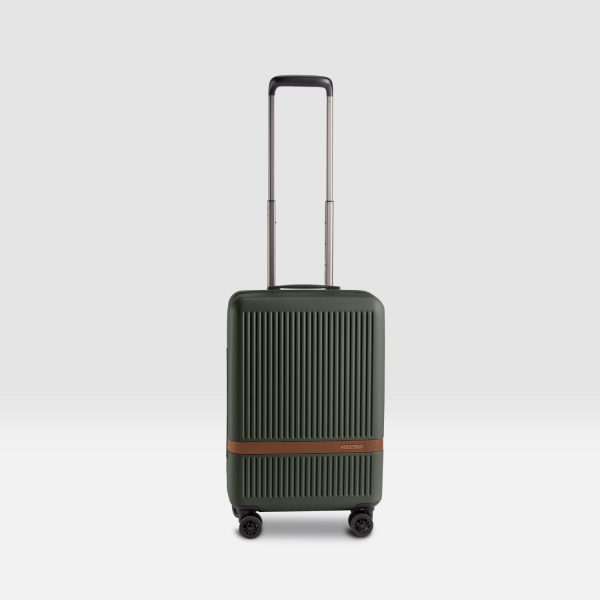
Every hard-shell case here belongs to our Glide family. The Glide Lite Carry-On is the light option at 2.0kg, with a clamshell opening and YKK zippers. The Glide Carry-On Pro keeps the clamshell but adds a front pocket, an expander zip and a USB charging port in the lock.
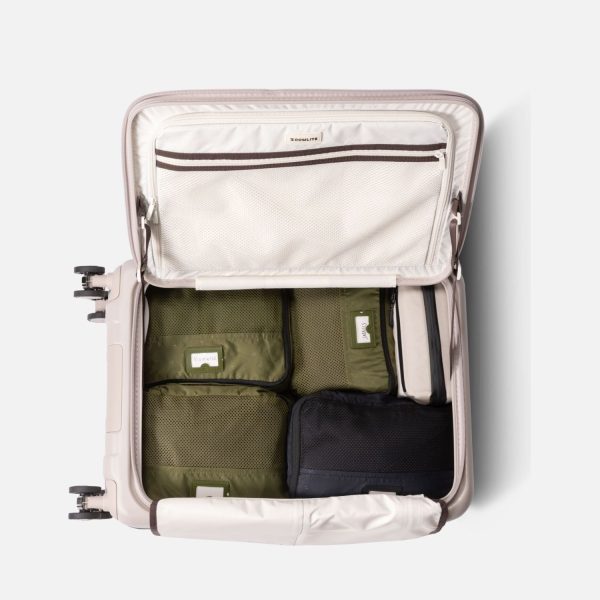
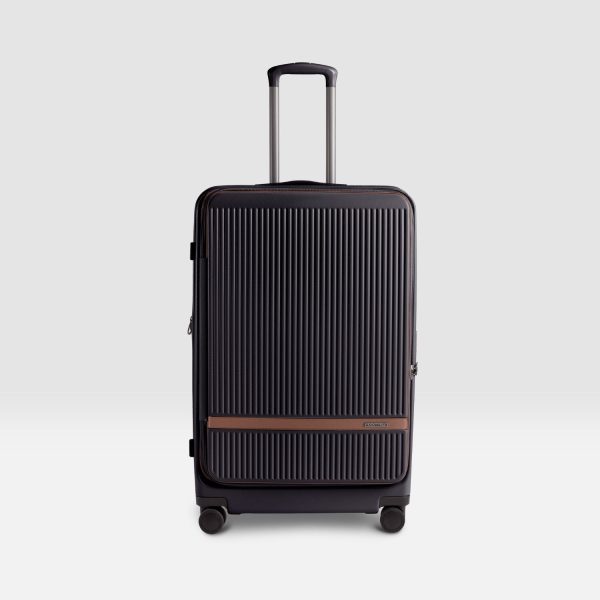
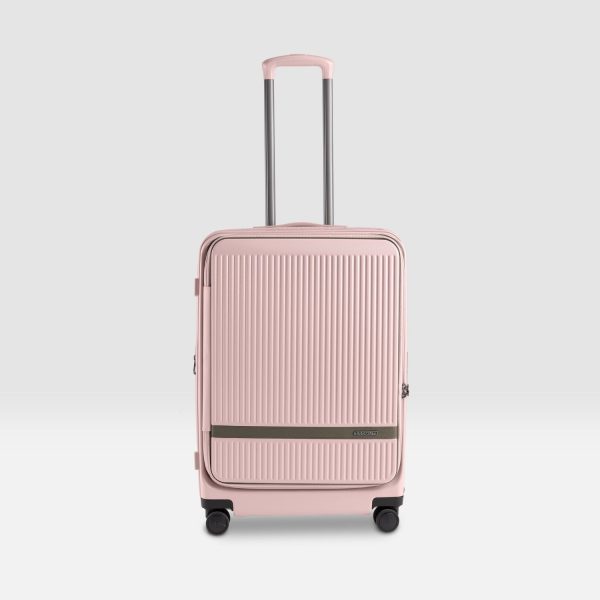
For checked travel, choose between the Glide Medium Check In and Glide Large Check-In, which open from the top and expand, or the Glide Elite Medium and Large, which add an aluminium frame and ZeroRoll wheel brakes. The Glide Elite Carry-On Pro brings that top-opening design to cabin size.





Questions
Frequently asked questions
What is the difference between Glide and Glide Elite?
Both use a polycarbonate shell, Hinomoto spinner wheels and a flush TSA-approved lock. Glide Elite adds a rivetless anodised aluminium frame with no exposed hardware and opens from the top. Standard Glide cases are frameless and lighter for the same capacity: the Medium Check In is 4.08kg against the Elite Medium's 4.15kg, and the Large is 4.7kg against the Elite Large's 5.3kg.
Which size suitcase do I need?
As a rough guide: 32-36L cabin cases suit a long weekend or a week of light packing; 65L medium check-in cases suit one to two weeks; and 95-96L large cases suit longer trips, shared packing or bulky clothing. Capacity matters more than outside dimensions once a case is in the hold, because airlines there limit you by weight.
Do the cases have a TSA lock?
Every Glide and Glide Elite case has a TSA-approved combination lock built flush into the shell, so it does not protrude or snag. US security staff can open it for inspection with their own tool instead of cutting it off. The lock secures the case; it is not a substitute for keeping valuables, documents and lithium batteries in the cabin with you.
Hard-shell cases, size by size
What a hard shell does
A moulded shell keeps its shape when other bags press against it in a hold or a locker, and it closes with a built-in lock rather than a padlock threaded through zip pullers. The trade is that a hard case cannot be squeezed into a gap that is slightly too small, and it does not expand around an awkwardly shaped object the way a soft bag does.
The range, in order of capacity
- Glide Lite Carry-On, 32L at 2.0kg: the lightest case here and the one with the most margin against cabin limits.
- Glide Elite Carry-On Pro, 35L at 3.2kg, and Glide Carry-On Pro, 36L at 3.4kg: more capacity and a front laptop pocket, at the cost of weight.
- Glide Medium Check In, 65L at 4.08kg, and Glide Elite Medium Check-In, 65L at 4.15kg: the week-to-fortnight size.
- Glide Large Check-In, 96L at 4.7kg, and Glide Elite Large Check-In, 95L at 5.3kg: long trips, families sharing a case, and anything involving bulky clothing.
Glide or Glide Elite
Both lines use a polycarbonate shell on Hinomoto spinner wheels with a flush TSA-approved combination lock. The Elite cases add a rivetless anodised aluminium frame with no exposed hardware and open from the top rather than as a clamshell. Frameless Glide cases are lighter for the same capacity; framed Elite cases hold their shape more firmly and weigh a little more.
Clamshell or top-opening
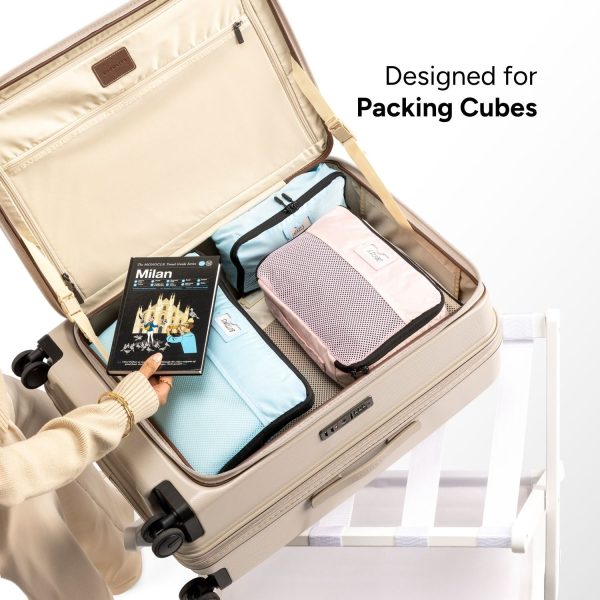
A clamshell splits into two halves and needs roughly twice its own footprint of floor space to open. A top-opening case folds its lid back over a single deep compartment, so it opens in the space it already occupies, which matters in a small hotel room. Top-opening suits packing cubes stacked in layers; clamshell suits keeping shoes and toiletries away from clothes.